
Cementitious Waterproofing – Qaswa Chemicals
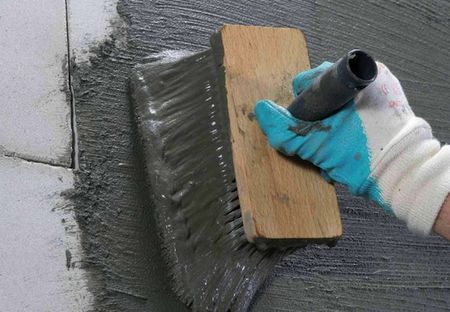
Cementitious waterproofing is one of the most commonly used and reliable waterproofing methods, especially for moist and wet areas such as bathrooms, toilets, kitchens, and water tanks. This method is widely preferred in construction because of its ease of application, durability, and cost-effectiveness.
Cementitious waterproofing systems are usually rigid or semi-flexible and are applied on internal surfaces that are not directly exposed to sunlight or weather conditions. Since these coatings are protected from UV rays and extreme temperature changes, they do not undergo significant expansion or contraction, making them long-lasting.
At Qaswa Chemicals, we provide high-quality cementitious waterproofing solutions that are easy to mix, easy to apply, and highly effective for both residential and commercial projects. The materials used are readily available and compatible with concrete and masonry surfaces.
What Are Cementitious Surfaces?
Cementitious surfaces refer to surfaces that contain Portland cement as a primary component. These surfaces are coated with cement-based materials that bond strongly through specialized binders, creating a solid and protective waterproof layer.
What Is Cement-Based Waterproofing?
Cement-based waterproofing is a heavy-duty, cementitious powder mix designed to protect reinforced concrete and masonry surfaces exposed to water.
The mix includes carefully graded non-metallic aggregates selected for their purity, hardness, strength, and durability, ensuring perfect bonding and long-term waterproof performance.
How Can Cement Be Made Waterproof?
For masonry and plastering applications, the cement mix ratio varies based on the type of bricks used:
For hard bricks (external walls):
1 part cement : 3.5 parts sand : 0.25 part limeFor softer limestone bricks:
1 part cement : 9 parts sand : 2 parts lime
These ratios help improve workability, bonding strength, and resistance to water penetration.
Why Do Builders Add Dishwashing Liquid to Cement?
Builders sometimes add a small amount of liquid dish detergent to cement mixes to improve durability. This process is known as air entrainment.
The detergent introduces tiny air bubbles into the concrete. Once cured, these bubbles form small air pockets that:
Improve workability
Reduce cracking
Enhance resistance to freeze-thaw cycles
Applications of Cementitious Waterproofing
Cementitious waterproofing is widely used in the following structures:
Water Treatment Plants
Sewage Treatment Floors
Bridges
Dams
Railway Structures
Cargo Ports & Docks
River Locks & Concrete Dykes
Parking Structures
Tunnels
Waterproofing & Construction Solutions by Qaswa Chemicals
Qaswa Chemicals offers a complete range of waterproofing, insulation, and construction chemicals, including:
Cementitious Waterproofing Systems
Bitumen Emulsion & Bitumen Membrane Sheets
PU Injection & PU Joint Sealants
SBR Chemicals & Super Plasticizers
EPS Sheets & XPS Insulation Boards
Glass Wool Sheets & Thermoshield
Tile Bond & Epoxy Flooring
Water Tank & Swimming Pool Waterproofing
Roof Heat Insulation & Roof Waterproofing
Water Leakage, Seepage Treatment & Repair
Industrial & Residential Waterproofing Solutions
We proudly serve projects across Pakistan, providing reliable, long-lasting, and cost-effective waterproofing solutions.